
Mastering the art of bluffing in poker games
Understanding the Psychology of Bluffing
Bluffing in poker transcends mere technique; it embodies a psychological strategy that manipulates your opponents’ perceptions. Successful bluffing hinges on a nuanced understanding of human behavior, as players often make decisions based on the inferences they draw about others. By observing your opponents’ habits, emotional responses, and decision-making patterns, you can create a strategy that exploits their weaknesses, especially when considering factors like nrl premiership betting trends that influence their mindset. Recognizing their psychological state provides a critical advantage, allowing you to identify the opportune moments to bluff convincingly, particularly when they exhibit uncertainty or aggression.
The core of a successful bluff lies in weaving a narrative that compels your opponents to fold. When you convincingly represent a robust hand, you’re not merely lying through your cards; you are crafting a story through your betting trends, facial expressions, and overall demeanor. The ultimate goal is to instill doubt in your opponents’ minds about the strength of their own hands. For example, if you suddenly escalate your bet significantly, this could prompt them to reassess whether their hand is strong enough to continue, effectively turning their confidence against them. This psychological manipulation is crucial and requires practice and keen observation.
Moreover, the effectiveness of your bluff is profoundly influenced by your table image. If you have previously played conservatively, your opponents may dismiss your sudden aggression as a bluff, leading them to fold. Conversely, if you’ve adopted a more loose playing style, they might be more likely to call your bet. Therefore, adjusting your strategy based on how your opponents perceive you is essential for executing a successful bluff. This adaptability not only enhances your bluff’s effectiveness but also keeps your psychological tactics fluid and responsive to the dynamics of the game.
Choosing the Right Moments to Bluff
Timing is paramount in the art of bluffing. Identifying the right moment to execute a bluff can significantly enhance your chances of success. A common scenario ideal for bluffing arises when the board presents cards that could either improve your opponents’ hands or lend credence to the idea that you hold a strong hand. For instance, if the board displays potential for a flush or straight, your opponents may adopt a cautious approach, allowing you to convincingly represent a stronger hand than you actually possess. This situational awareness is vital in the decision-making process.
Another critical consideration when determining the timing of a bluff is the number of opponents still engaged in the hand. The more players still in the game, the lower your chances of success, as it’s more likely that someone possesses a stronger hand. Bluffing against just one opponent, particularly in a heads-up situation, generally improves your odds, making it a prime opportunity for aggressive bluffing. Additionally, analyzing your opponents’ playing styles is invaluable; passive players tend to fold more readily than aggressive ones, making them prime targets for your bluffing strategy.
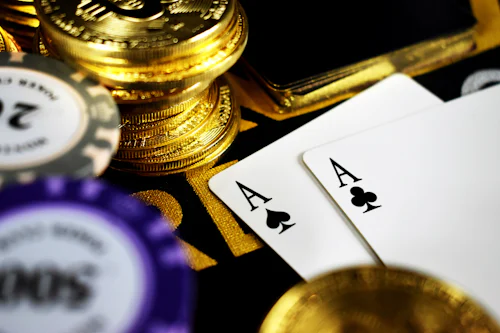
Furthermore, the stage of the poker game can greatly influence your bluffing approach. Early in the game, players are usually more cautious and less willing to risk their chips. As the game progresses and stacks dwindle, players may become increasingly desperate, making them more susceptible to well-timed bluffs. Understanding these dynamics is crucial for effectively integrating bluffing into your overall strategy, as the context in which you bluff can significantly alter its success rate. Timing, therefore, is not just about the moment; it’s about the entire game flow.
Techniques for Successful Bluffing
While bluffing may initially appear daunting, employing specific techniques can simplify and enhance your approach. One of the most effective methods is the semi-bluff, which involves betting on a hand that has the potential to improve on later streets. For example, if you’re holding a flush draw, you can place a substantial bet, exuding confidence while still maintaining the chance to complete your hand. This dual approach increases your chances of winning, either by forcing opponents to fold or by hitting a strong hand if they decide to call.
Another valuable technique is the continuation bet, commonly employed by players who were the last aggressor prior to the flop. Following up with a bet on the flop, regardless of whether you hit anything, can often lead opponents to fold if they sense weakness. This tactic is most effective when you’ve established a solid pre-flop image, and your opponents are unaware of your hand’s actual strength. However, successful execution of this technique demands careful consideration of timing and board texture; both must align for the bluff to resonate with your opponents.
Moreover, integrating physical tells and consistent betting patterns into your bluffing strategy can significantly elevate your overall game. By maintaining a steady betting rhythm and controlling your body language, you can mislead your opponents regarding the strength of your hand. It’s crucial to project confidence, even when holding a weak hand, as this can enhance your chances of a successful bluff. Ultimately, the key to successful bluffing lies in unpredictability; varying your bluffing techniques ensures that your opponents remain uncertain and makes your bluffs more credible.
Reading Your Opponents
The ability to read your opponents is a crucial skill in poker, particularly when it comes to bluffing effectively. Close observation of their betting patterns, facial expressions, and body language can provide valuable insights into their hand strength. For instance, if a player appears increasingly anxious or restless as the betting progresses, it could indicate uncertainty about their hand, presenting a prime opportunity for a well-timed bluff. Developing these observational skills not only boosts your bluffing potential but also enhances your overall poker strategy.

Additionally, recognizing common tells among various player types can greatly assist in refining your bluffing approach. For example, aggressive players who frequently raise may be more likely to call a bluff, while passive players might fold more readily when faced with aggression. Categorizing your opponents and adjusting your bluffing tactics accordingly can increase your chances of success. Understanding who is more susceptible to bluffs is a game-changer, enabling you to strategize more effectively during play.
Incorporating a systematic approach to reading your opponents can also enhance your bluffing effectiveness. Tracking their behaviors in similar situations can yield critical insights that inform your decisions about when to bluff and when to hold back. The more data you can collect about your opponents’ tendencies, the better equipped you’ll be to make informed choices at the table, significantly increasing your bluffing success rate and overall gameplay strategy.
Your Ultimate Poker Resource
For those eager to elevate their poker game and master the art of bluffing, having the right resources at your disposal can make a significant difference. Our comprehensive website offers a wealth of information, including advanced strategies and beginner tips that can greatly improve your gameplay. Whether you seek guidance on specific bluffing techniques or insights into effectively reading opponents, we provide valuable content tailored to meet all your poker needs.
Additionally, our platform fosters a community of fellow poker enthusiasts and expert players who share experiences and engage in discussions about various techniques. Being part of this collaborative environment can accelerate your learning curve, offering ample opportunities for practice and constructive feedback. The exchange of strategies and bluffing anecdotes among community members can inspire innovative approaches to your game, enhancing your skills in ways you may not have anticipated.
Ultimately, mastering the art of bluffing in poker is a continuous journey of practice and learning. With access to the right tools, insights, and community support, you can refine your bluffing techniques and enhance your overall gameplay. Explore our website today to discover essential resources that will help you excel at poker and elevate your bluffing game to new heights, ensuring that you not only play but also win with confidence.